Toxic Heteronormativity
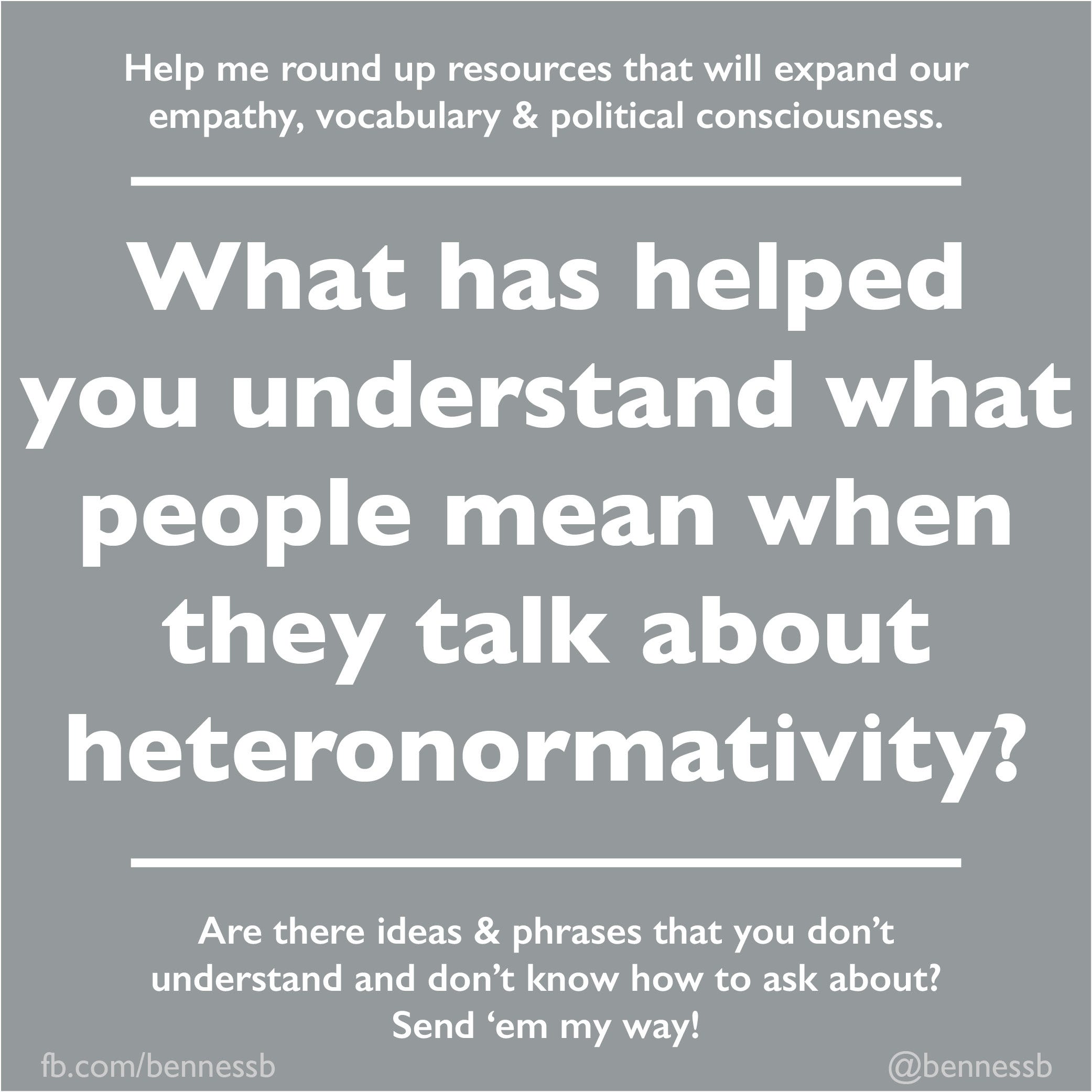
Cover Heteronormativity what people mean Brianne Benness Medium (2083x2083)
Table of Contents
- What is Heteronormativity?
- How is Heteronormativity Reinforced in Society?
- What are the Effects of Heteronormativity?
- How Can We Challenge Heteronormativity?
- What are Some Examples of Heteronormativity in Media?
What is Heteronormativity?
Heteronormativity is a societal belief that heterosexuality is the only acceptable sexual orientation and that gender is binary, meaning that there are only two genders, male and female. This belief system assumes that everyone is cisgender and that relationships are only valid between people of different genders. It reinforces the idea that any other sexual orientation or gender identity is abnormal or deviant.
Heteronormativity is often reinforced through societal institutions such as religion, education, and media. It can be difficult for individuals who do not fit into the heteronormative mold to feel accepted or included in society.
How is Heteronormativity Reinforced in Society?
Heteronormativity is reinforced in society through various means such as media, religion, and education. One of the main ways heteronormativity is reinforced is by the lack of representation of LGBTQ+ individuals in media. When LGBTQ+ individuals are represented, it is often in a stereotypical or negative manner, further perpetuating the idea that they are abnormal or deviant.
Religion also plays a role in reinforcing heteronormativity, with many religions promoting heterosexuality as the only acceptable form of sexuality. This can lead to discrimination and exclusion of LGBTQ+ individuals from religious communities.
Education can also reinforce heteronormativity through the lack of inclusion of LGBTQ+ issues in school curriculums. When LGBTQ+ issues are discussed, it is often in a negative or stigmatizing way, further perpetuating the idea that LGBTQ+ individuals are abnormal or deviant.
What are the Effects of Heteronormativity?
The effects of heteronormativity can be damaging to individuals who do not fit into the heteronormative mold. LGBTQ+ individuals may experience discrimination, exclusion, and stigma in various aspects of their lives such as in their families, schools, and workplaces.
Heteronormativity can also lead to a lack of understanding of LGBTQ+ issues and can perpetuate harmful stereotypes and beliefs. This can lead to a lack of support for LGBTQ+ individuals and can contribute to their experiences of discrimination and exclusion.
How Can We Challenge Heteronormativity?
Challenging heteronormativity requires a collective effort from individuals and society as a whole. One way to challenge heteronormativity is through education, by promoting inclusion and acceptance of LGBTQ+ individuals in school curriculums and in society in general.
Media can also be used as a tool to challenge heteronormativity by representing LGBTQ+ individuals in a positive and realistic manner. Religion can also play a role in challenging heteronormativity by promoting acceptance and inclusion of LGBTQ+ individuals in religious communities.
Individuals can also challenge heteronormativity by being allies to LGBTQ+ individuals and advocating for their rights and inclusion in society.
What are Some Examples of Heteronormativity in Media?
There are many examples of heteronormativity in media, such as the portrayal of relationships as only valid between people of different genders. This can be seen in movies and TV shows where LGBTQ+ relationships are often portrayed as abnormal or deviant.
Another example of heteronormativity in media is the lack of representation of LGBTQ+ individuals in children's media. This can lead to a lack of understanding and acceptance of LGBTQ+ individuals among children and can perpetuate harmful stereotypes and beliefs.
Conclusion
Heteronormativity is a societal belief system that assumes heterosexuality is the only acceptable sexual orientation and that gender is binary. It is reinforced through various societal institutions such as media, religion, and education. The effects of heteronormativity can be damaging to individuals who do not fit into the heteronormative mold, leading to discrimination, exclusion, and stigma. Challenging heteronormativity requires a collective effort from individuals and society as a whole, through education, media representation, and promotion of acceptance and inclusion of LGBTQ+ individuals in all aspects of society.

Post a Comment for "Toxic Heteronormativity"